Shortages in DDR5 PMIC and SPD Hub Supply Chain
The transition to DDR5 has introduced not only new performance levels for memory systems but also new complexities in the component supply chain. Among the most critical changes are the introduction of on‑DIMM power management ICs (PMICs) and dedicated SPD hubs, both of which are essential for DDR5 modules to function correctly. As demand for DDR5‑based platforms accelerates, shortages in these components have emerged as a key bottleneck, impacting module makers, OEMs, and data center planners alike.
This blog post examines the nature of shortages in DDR5 PMIC and SPD hub supply chains, the root causes behind them, and their implications for the broader memory ecosystem. It also explores how different stakeholders are responding, and what strategies can help mitigate risk as DDR5 adoption continues to ramp.
DDR5 architecture and the role of PMICs and SPD hubs
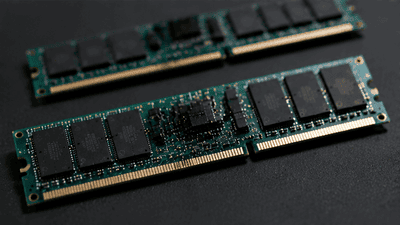
DDR5 differs from earlier generations such as DDR4 in several architectural aspects that have direct supply‑chain consequences. One of the key changes is the move of power management from the motherboard to the DIMM itself. Instead of relying on centralized voltage regulation, DDR5 modules incorporate a PMIC that regulates and distributes power locally on the DIMM.
This on‑DIMM PMIC performs functions like converting incoming supply rails to the precise voltages required for the DRAM chips and related circuitry, managing power states, and helping ensure signal integrity under varying load conditions. Without a PMIC, a DDR5 module cannot operate as intended, making the PMIC a hard requirement rather than an optional enhancement.
Another important change is the use of an SPD (Serial Presence Detect) hub. In DDR5, SPD functionality and related side‑band interfaces are more complex, reflecting increased configuration options and management features. The SPD hub consolidates configuration data, handles communication over the SPD interface, and can support additional functions such as temperature reporting and manufacturing information storage. As with PMICs, a functioning SPD hub is integral to reliable DDR5 operation.
Why PMIC and SPD hubs became supply bottlenecks
Shortages in DDR5 PMIC and SPD hub components are rooted in several overlapping factors. First, the architectural shift in DDR5 created a sudden increase in demand for these specialized ICs. In DDR4, motherboard‑level regulators handled power distribution, and SPD logic was simpler. With DDR5, every DIMM requires a PMIC and a more capable SPD hub, multiplying the number of such devices needed across the market.
Second, the timing of DDR5 platform launches aligned with broader semiconductor supply constraints. Capacity in relevant process nodes and packaging lines was already under pressure from high demand in other industries, including automotive, consumer electronics, and communications. PMICs and SPD hubs often rely on mature or mid‑range process technologies, which were particularly crowded as multiple product types compete for the same fab resources.
Third, design and qualification cycles for PMICs and SPD hubs are complex. These parts must meet strict electrical and reliability specifications across a wide range of DIMM designs and system platforms. The need for careful validation and multiple reference designs slows the pace at which new suppliers can enter the market or existing suppliers can ramp production, exacerbating shortages when demand spikes.
Impact on DRAM module makers
For DRAM module makers, shortages in DDR5 PMICs and SPD hubs can be more problematic than shortages in DRAM chips themselves. Even when DRAM dies are available, modules cannot be completed without the necessary PMIC and SPD hub components, effectively making these ICs gating items for finished DIMM output.
Module manufacturers must coordinate their procurement of DRAM, PCBs, PMICs, SPD hubs, and other small components to align production schedules. When PMICs and SPD hubs are in short supply, module makers may face idle production capacity, more complex inventory management, and challenges meeting delivery commitments to OEMs and data centers. In severe cases, they might prioritize certain customers or product lines—such as high‑margin server DIMMs—since not all planned volumes can be produced.
Shortages also complicate engineering and product planning. If module makers cannot secure sufficient quantities of a preferred PMIC or SPD hub, they may need to qualify alternative suppliers or variants, adding engineering overhead and extending time‑to‑market for specific SKUs.
Downstream effects on OEMs and data centers
OEMs and data center operators feel the effects of PMIC and SPD hub shortages through constrained availability of DDR5 memory modules. System builds scheduled around new CPU platforms that require or strongly prefer DDR5 may be delayed, or memory configurations may be limited compared with initial plans.
Server OEMs, in particular, must match CPU launches with consistent memory supply. When DDR5 modules are scarce due to PMIC and SPD hub bottlenecks, OEMs may prioritize high‑value customers, adjust shipment mixes, or offer alternative configurations where possible. Data centers planning large deployments can experience delays in cluster rollouts or need to stagger upgrades across regions.
In some scenarios, shortages can influence purchasing patterns. Buyers may temporarily favor configurations that use less memory per node or defer certain performance‑optimized designs, waiting until module supply stabilizes. Over time, these adjustments feed back into capacity planning and workload placement strategies in data centers.
Vendor concentration and limited second sources
One structural factor behind DDR5 PMIC and SPD hub shortages is vendor concentration. Early in the DDR5 adoption curve, a relatively small number of suppliers provided these specialized ICs. Developing PMICs and SPD hubs for DDR5 requires significant analog design expertise, firmware capabilities, and close collaboration with DRAM and module vendors.
When only a few companies produce the majority of DDR5 PMICs or SPD hubs, any disruption—whether due to fab issues, packaging constraints, or allocation decisions—can ripple quickly through the supply chain. Limited second‑source options also make it harder for module makers to diversify risk.
Expanding the pool of suppliers takes time. Potential entrants must develop compatible designs, go through validation with DRAM and module partners, and secure capacity at foundries and packaging houses. Until these second sources are mature and shipping in volume, the supply chain remains relatively fragile.
Technical complexity of DDR5 PMICs
DDR5 PMICs are more complex than many legacy power management devices, contributing to supply challenges. They must handle multiple voltage rails with tight tolerances, support low‑noise operation suitable for high‑speed memory interfaces, and provide robust protection mechanisms for fault conditions.
Integration of features such as programmable voltage levels, power‑sequence control, and telemetry further increases design complexity. PMICs must also operate reliably across a wide range of temperatures and board designs, and they must comply with standards and platform‑specific requirements established by CPU and system vendors.
This complexity affects manufacturing. PMICs often require specialized test procedures and careful packaging to meet performance and reliability targets. As demand rises quickly, scaling production without compromising quality can be challenging, which helps explain why supply cannot simply be increased overnight.
SPD hub design and firmware considerations
SPD hubs for DDR5 likewise bring new design and firmware considerations compared with earlier generations. They typically manage more data fields, support extended configuration options, and handle interactions with system management buses. Their firmware and microcontroller logic must be robust, secure, and compatible with diverse motherboard and BIOS/UEFI implementations.
SPD hubs may also support features beyond basic presence detection, such as advanced temperature monitoring, event logging, and support for specific vendor extensions. Debugging and validating these functions across different DIMM designs and platform environments takes engineering effort and time.
Because SPD hubs are tightly embedded in module behavior, any defect or incompatibility can lead to system issues that are difficult to diagnose. This sensitivity encourages cautious qualification and may slow the onboarding of new suppliers, contributing indirectly to supply tightness.
Inventory management and allocation strategies
Shortages in PMICs and SPD hubs force module makers and upstream suppliers to adopt careful inventory management and allocation strategies. Components may be allocated to specific customers based on contracts, long‑term relationships, or strategic priorities, rather than simply being sold on a spot basis.
Some manufacturers may build buffer stocks of PMICs and SPD hubs when availability improves, to protect against future disruptions. However, carrying large inventories of specialized components ties up capital and is risky if designs change or demand shifts between product segments.
Allocation choices can influence market pricing and availability, especially for smaller module makers or regional OEMs who may have less negotiating power. These dynamics highlight how component shortages cascade through hierarchical supply chains, with impact varying across different tiers of the ecosystem.
Mitigation strategies for module makers and OEMs
In response to DDR5 PMIC and SPD hub shortages, module makers and OEMs are pursuing several mitigation strategies. One approach is to diversify supplier bases, qualifying multiple PMIC and SPD hub vendors where possible to reduce reliance on a single source. Although this increases engineering and validation work, it pays off in resilience.
Another strategy involves closer collaboration and forecasting. Module makers work with OEMs and data centers to share demand projections and align procurement plans with realistic timelines. By improving visibility, they can secure component allocations ahead of time and avoid surprises when production ramps.
Design choices can also help. Standardizing certain module designs or reducing the number of distinct SKUs makes it easier to manage component logistics, since fewer unique PMIC or SPD hub configurations are required. In some cases, firmware techniques or board layout adjustments can increase flexibility in using different component variants.
Prospects for supply normalization
Over the medium term, DDR5 PMIC and SPD hub supply is likely to improve as several trends converge. Increased capacity investments at relevant foundries and packaging providers, combined with expanded supplier participation, should reduce bottlenecks. As more designs reach maturity and yield improves, overall availability of these components can stabilize.
Additionally, as DDR5 adoption progresses from rapid ramp to broader maturity, demand growth may become more predictable, making it easier for suppliers to plan capacity. The sharp initial spike associated with early platform launches and large deployments will eventually give way to steadier replacement and expansion cycles.
However, normalization does not eliminate the need for careful planning. PMICs and SPD hubs will remain critical DDR5 enablers, and their supply chains will continue to require attention in risk management strategies, especially as new generations of DDR and related technologies appear.
Strategic lessons for future memory transitions
The experience with DDR5 PMIC and SPD hub shortages offers strategic lessons for future memory transitions. When new standards introduce additional mandatory components—especially complex analog or mixed‑signal ICs—early consideration of supply chain readiness is crucial. Industry stakeholders can benefit from proactive engagement with component suppliers, capacity planning, and early multi‑source qualification.
Standards bodies and platform vendors may also reflect on how design choices impact supply resilience. While on‑DIMM power management and richer SPD functionality deliver clear technical benefits, they also increase reliance on specialized components. Balancing architectural innovation with supply chain robustness becomes a key part of ecosystem design.
For data centers and OEMs, the episode underscores the importance of including component‑level risk in infrastructure planning. Memory is not just a matter of DRAM chips; it depends on a suite of supporting ICs whose availability can determine whether new systems can be deployed on schedule.
Conclusion: managing critical components in the DDR5 era
Shortages in DDR5 PMIC and SPD hub supply chains highlight how seemingly small components can have outsized impact on the rollout of new memory technologies. As DDR5 becomes the mainstream standard, ensuring reliable availability of these critical ICs is as important as producing enough DRAM dies.
By understanding the technical roles of PMICs and SPD hubs, recognizing the structural reasons behind current bottlenecks, and implementing mitigation strategies, industry participants can navigate the transition more smoothly. The lessons learned will inform not only ongoing DDR5 deployments but also future generations of memory, where architecture and supply chain considerations must go hand in hand.