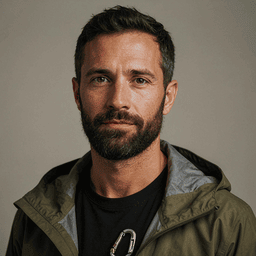
Marcus Hale
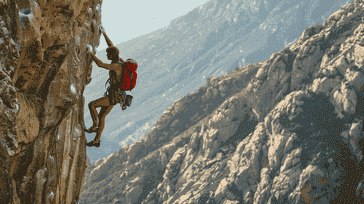
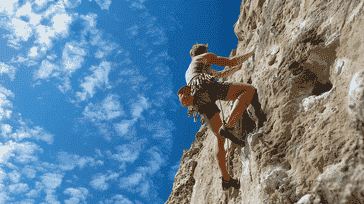
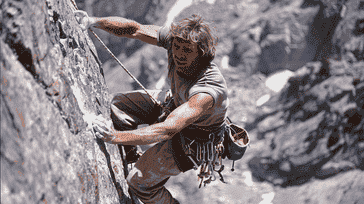
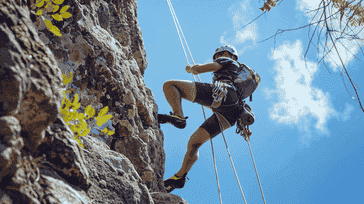
I came to sport climbing and bouldering through competition, but the real addiction started the moment I left the plastic and hit real rock. I’ve spent years training, traveling, and pushing my limits on limestone, granite, and sandstone — from the steep caves of Spain to the highballs of Bishop and the technical faces of the Red River Gorge. Competition taught me structure and intensity; outdoor climbing taught me patience, humility, and how to read rock that doesn’t come with numbered holds. Writing for this site lets me document the full process: the training cycles that actually transfer to rock, the mental barriers that appear when the ground is twenty meters below, and the small breakthroughs that never make highlight reels. I want readers to understand that progress in climbing is rarely linear and almost always harder than it looks from the ground. My articles aim to be useful rather than inspirational — the kind of information I wish I’d had when I was projecting my first 5.13 or trying to figure out why I kept falling on the same move.
Research Field
Sport climber and boulderer focused on training, progression, and the psychology of hard sends.
Introduction
Marcus Hale is a dedicated sport climber and boulderer who has spent the last fifteen years refining his craft on rock and plastic alike. Originally drawn to competition climbing, he eventually shifted his focus toward outdoor performance, establishing difficult routes and highball boulder problems across the United States and Europe. His climbing resume includes significant ascents on limestone in Spain and France, granite in California, and sandstone in the Southeast.
As a staff writer, Marcus covers training methodology, injury prevention, and the mental side of projecting hard climbs. His writing is practical, detailed, and free of unnecessary hype. He breaks down training cycles, analyzes movement patterns, and discusses the psychological tools that help climbers stay engaged through long projects. Readers particularly appreciate his willingness to share both successful campaigns and the long periods of frustration, plateau, and self-doubt that precede them.
Marcus approaches climbing as a long-term practice rather than a series of peak performances. His articles often explore how to structure training so that it supports outdoor goals, how to manage skin and connective tissue over multi-year timelines, and how to maintain motivation when progress slows. He is known for clear explanations and for treating readers as serious practitioners rather than casual consumers of climbing content.
Marcus continues to climb at a high level and regularly tests new training approaches in his own sessions. When not on the rock or at the keyboard, he coaches local climbers, contributes to community training programs, and remains an active voice in discussions about sustainable performance in the sport.