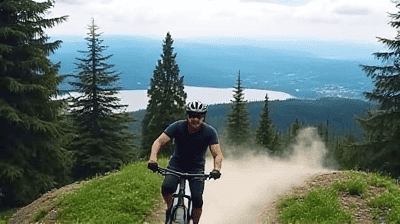

Harper Quinn
Ski and snowboard downhill have defined my winters for as long as I can remember. From steep freeride lines to competitive descents, the combination of speed, terrain reading, equipment choice, and decision-making under changing conditions is what keeps me engaged. I’ve spent years refining the ability to assess snow, slope, and exposure at speed, and to make sound choices when the margin for error is small. I write here to document the skills and judgment that separate controlled high-speed riding from simply pointing it downhill. My goal is to share practical insights about equipment, line selection, risk assessment, and the physical and mental preparation required for demanding descents — whether in a competitive setting or in the backcountry.
Research Field
Ski and snowboard downhill specialist focused on freeride, competitive descending, and terrain judgment.
Introduction
Harper Quinn is a ski and snowboard downhill specialist with a background in both freeride and competitive descending. She has spent years refining her ability to read terrain at speed and to make sound decisions in complex mountain environments. Her experience spans resort-based competition, freeride lines, and the broader skills required for high-consequence descending.
As a staff writer, Harper covers the technical and experiential aspects of high-speed snow sports. Her articles address equipment selection, line choice, snow and terrain assessment, risk management, and the physical and mental preparation required for demanding descents. She is known for practical, experience-based writing that prioritizes good judgment.
Harper’s approach emphasizes the decision-making that happens before and during a descent. She writes about how to evaluate conditions, how to manage speed and line in technical terrain, how to prepare the body and mind for high-consequence riding, and how to build experience progressively. Her work is useful for riders who want to advance their downhill skills thoughtfully rather than relying solely on courage or athleticism.
Harper continues to ride and explore. She remains engaged with both the freeride and competitive downhill communities and contributes to conversations about safety, progression, and the evolving culture of high-speed snow sports.